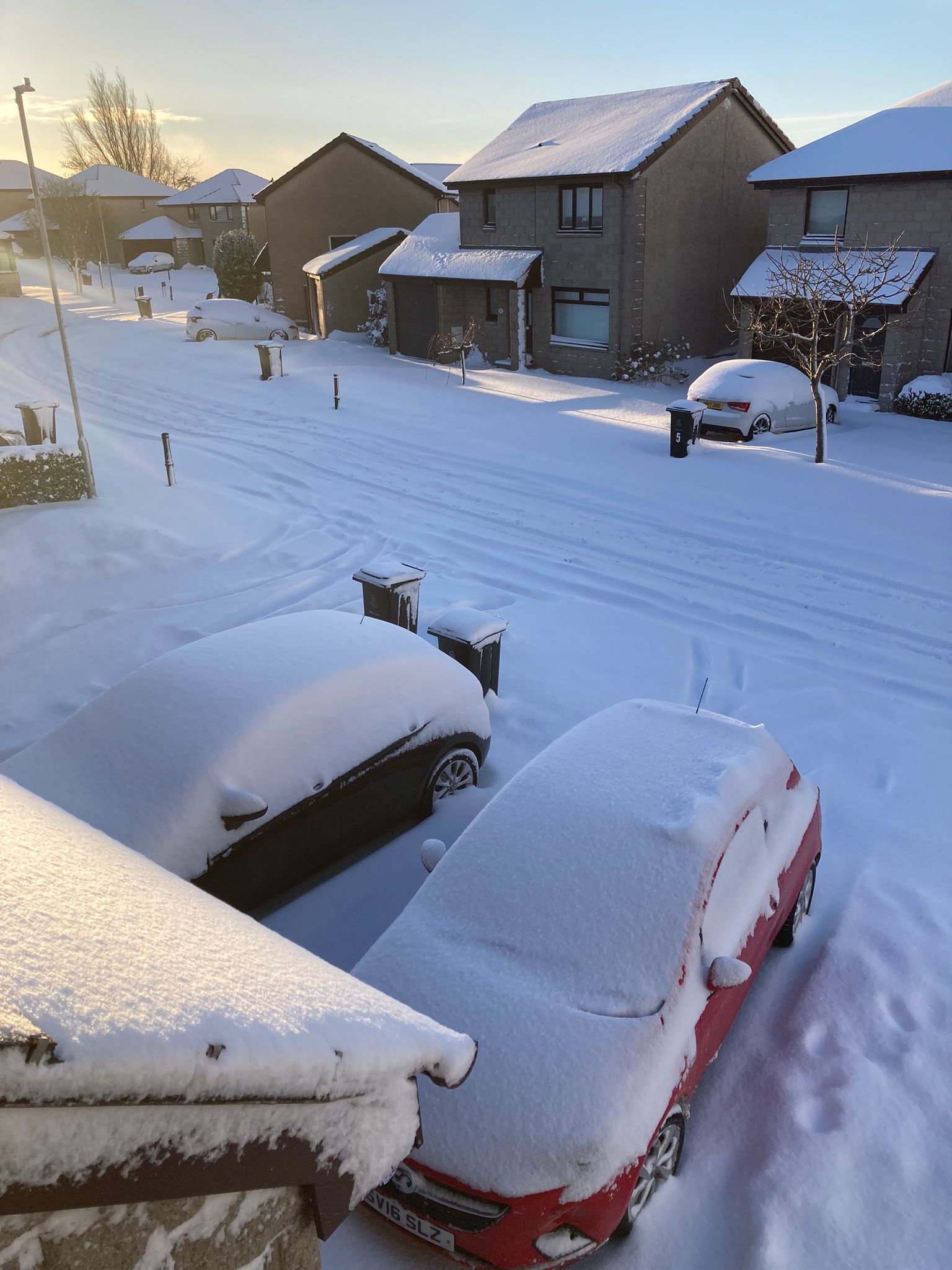
Heavy Snowfall in Aberdeen: How to Tell If Your Roof Is Up to Handling It
Winter in Aberdeen often brings freezing temperatures, high winds, and snowfall — but periods of heavy or prolonged snow can place exceptional strain on residential and commercial roofs.
While a layer of snow may look harmless, the reality is that accumulated snow and ice can quickly become extremely heavy, particularly when temperatures fluctuate and snow turns wet and compacted.
At A.M. Irvine Slating, we regularly see the impact harsh Scottish winters can have on roofs, especially during spells of sustained snowfall. Older roofs, poorly maintained roofing systems, and structures not designed for modern weather extremes can all struggle under the added weight.
This article explains how heavy snowfall affects your roof, what warning signs to look out for, and how to determine whether your roof is coping safely. Understanding these risks can help you act early — preventing structural damage, costly repairs, or even roof failure.
Understanding Snow Load and What It Means for Your Roof
When snow builds up on a roof, it creates what’s known as snow load — the vertical force exerted by the weight of snow and ice on the roof structure. While roofs in Scotland are designed to handle snow, exceptional or prolonged snowfall can exceed what a roof was originally intended to support.
Not all snow weighs the same. Fresh, powdery snow is relatively light, but as it settles, melts slightly, and refreezes, it becomes dense and heavy. Wet snow can weigh more than twice as much as dry snow, dramatically increasing the load on rafters, joists, and supporting walls.
Several factors influence how your roof handles snow load:
-
Roof pitch: Steeper roofs allow snow to slide off more easily, while flatter or low-pitch roofs tend to hold snow for longer periods.
-
Roof structure and age: Older roofs or those with undersized timbers may not meet current structural standards.
-
Roof material: Slate, tile, and metal all behave differently under snow load.
-
Previous damage or wear: Rotting timbers, loose fixings, or weakened joints reduce a roof’s load-bearing capacity.
Snow load becomes especially dangerous when combined with ice buildup, blocked gutters, or repeated freeze-thaw cycles — all common during Aberdeen winters.
Early Warning Signs Your Roof May Be Struggling
Visible Sagging or Roofline Changes
One of the most serious warning signs is visible sagging. This may appear as a dip in the roofline, a bowing ridge, or uneven roof planes. Inside the property, sagging ceilings or bowed beams in the loft can indicate that the structure is under excessive stress. Any noticeable change in shape should be treated as urgent.
Creaking, Cracking, or Popping Noises
Unusual sounds coming from your roof space during or after snowfall can signal structural movement. Creaking or cracking noises often occur when timbers are flexing under weight. While occasional noises can be normal, persistent or loud sounds are a sign that the roof may be struggling.
Cracks in Ceilings or Internal Walls
Snow load stress doesn’t always show itself on the roof surface. Cracks in ceilings, plasterwork, or upper walls — particularly around door frames or corners — may indicate that the roof structure is shifting or settling under pressure.
Water Leaks and Damp Patches
Snow itself isn’t always the problem — melting snow is. As snow melts during the day and refreezes overnight, water can be forced under slates or tiles, especially if ice dams form at the eaves. This can lead to leaks, damp patches, staining, or mould growth inside your property.
Loose or Displaced Slates and Flashing
Snow and ice can lift slates, loosen fixings, and strain lead flashing around chimneys and roof junctions. After heavy snowfall, it’s common to see slipped slates or damaged flashing that compromise the roof’s waterproofing.
Why Professional Roof Inspections Are Essential After Heavy Snow
Not all snow-related roof damage is obvious. Some issues develop slowly and worsen over time if left unchecked. A professional roof inspection allows potential problems to be identified before they escalate into structural failures or internal water damage.
At A.M. Irvine Slating, we assess:
-
The structural condition of rafters, joists, and load-bearing elements
-
The integrity of slates, tiles, fixings, and underlay
-
Vulnerable areas such as chimneys, valleys, flashings, and roof junctions
-
Signs of water ingress, condensation, or timber decay
A professional inspection is especially important for older properties, traditional slate roofs, or buildings that have already experienced past roof repairs.
What Homeowners Can Safely Do During Heavy Snowfall
While it’s never advisable to climb onto a snowy or icy roof, homeowners can still take sensible precautions.
Regularly check your roof visually from ground level, looking for sagging, uneven snow distribution, or fallen slates. Keep an eye on ceilings and loft spaces for signs of leaks or damp.
Ensure gutters and downpipes are not blocked with ice or debris, as trapped meltwater can back up under the roof covering.
If snow accumulation appears excessive or hasn’t shifted for several days, it’s wise to contact a professional roofer rather than attempting DIY snow removal, which can be dangerous and cause further damage.
How Different Roofing Materials Perform in Snowy Conditions
The type of roofing material on your property plays a major role in how well it handles heavy snowfall.
Natural slate roofs, when properly installed and maintained, perform exceptionally well in Scottish winters. Slate is durable, water-resistant, and long-lasting, making it a popular choice throughout Aberdeen and the North East.
Metal roofing sheds snow efficiently due to its smooth surface, reducing snow buildup, though proper snow guards may be required to prevent sudden snow slides.
Concrete and clay tiles can handle snow well but are heavier materials, meaning the underlying structure must be strong enough to support both the roof covering and accumulated snow.
Regardless of material, regular maintenance and correct installation are key to ensuring winter performance.
Heavy snowfall in Aberdeen is more than just a seasonal inconvenience — it can pose a serious risk to your roof if left unchecked. Understanding how snow load affects your property, recognising early warning signs, and acting promptly can help prevent costly damage and protect your home.
If you’re unsure whether your roof is coping with current snowfall, or if you’ve noticed sagging, leaks, or other concerns, A.M. Irvine Slating is here to help. Our experienced team provides expert roof inspections, repairs, and slate roofing services tailored to Scotland’s demanding climate.
Contact A.M. Irvine Slating today for professional advice and peace of mind — ensuring your roof remains safe, secure, and weather-ready throughout winter and beyond.