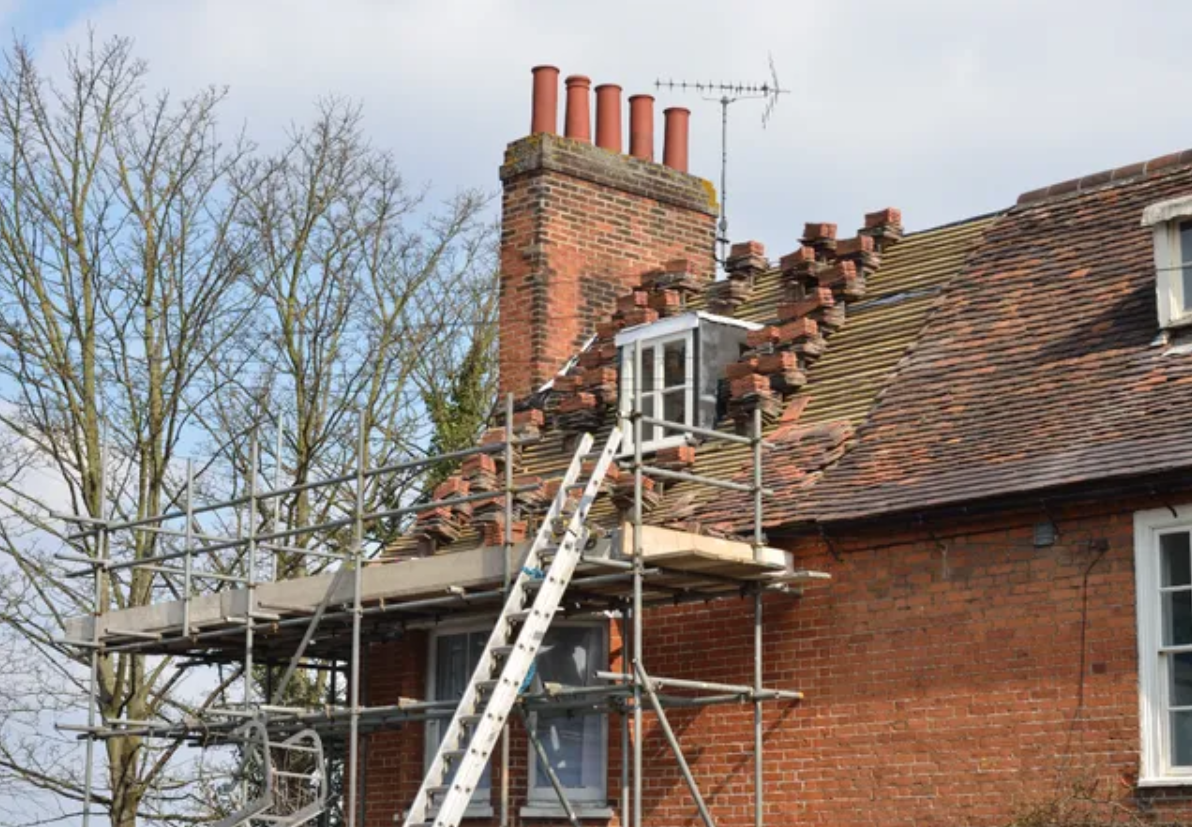
A gable roof—often called a pitched roof or peaked roof—is one of the most traditional and recognisable roof designs in the UK.
It features two sloping sides that meet at a central ridge, forming a triangular section known as the gable at each end of the building.
In Aberdeen and across the North-East of Scotland, gable roofs are a popular choice thanks to their durability, weather resistance, and classic look. They suit a wide variety of properties, from historic granite homes to modern new builds, making them a timeless architectural option.
The Advantages of a Gable Roof
1. Excellent Drainage and Weather Performance
Scotland’s climate is famously unpredictable—frequent rain, snow, and wind can quickly take their toll on a poorly designed roof. A gable roof’s steep pitch allows water, sleet, and snow to slide off easily, preventing pooling and reducing the risk of leaks or dampness.
This design minimises the strain on your roof materials and supports long-term performance. When finished with natural slate—as recommended by A.M. Irvine Slating Ltd—it provides exceptional waterproofing and can last for over a century with proper maintenance.
The ridge shape also helps resist heavy snowfall by preventing accumulation, which is particularly useful for properties located inland or at higher elevations in Aberdeenshire.
2. Simple, Efficient, and Cost-Effective Design
Another major advantage of the gable roof is its simplicity. The design involves fewer complex structural elements than alternatives like hip or mansard roofs. This not only reduces construction time and cost, but also simplifies ongoing maintenance.
For homeowners and developers, this means a faster installation process and a smaller budget requirement, without compromising quality or durability.
A.M. Irvine Slating Ltd frequently installs gable roofs using high-quality slate, concrete, or clay tiles, ensuring both affordability and aesthetic appeal. Because the shape is straightforward, repairs—such as replacing damaged slates or fixing leadwork—can be completed quickly and efficiently.
3. Improved Ventilation and Attic Space
The steep pitch of a gable roof naturally creates extra loft or attic space, which can be used for storage, insulation upgrades, or even conversion into living areas.
This additional vertical space also promotes better airflow, allowing hot air to escape during summer months and helping prevent condensation in winter. Proper ventilation is crucial for protecting roof timbers, insulation layers, and plasterwork from moisture damage.
When paired with professional installation—including ridge vents, soffit ventilation, and quality breathable membranes—a gable roof can contribute to lower heating bills and a more comfortable home environment.
4. Timeless Aesthetic and Kerb Appeal
From Victorian cottages to modern extensions, a gable roof enhances virtually any architectural style. Its sharp lines and symmetrical form give buildings a balanced, elegant look that boosts kerb appeal and even increases property value.
Homeowners in Aberdeen often prefer the gable roof for its traditional Scottish character—especially when combined with natural slate finishes that complement the region’s granite architecture.
In commercial settings, gable roofs also provide a professional, polished appearance, which helps businesses project trust and quality from the outside in.
The Disadvantages of a Gable Roof
1. Susceptibility to High Winds
While excellent for drainage, gable roofs can be vulnerable to wind damage if not properly reinforced. Strong gusts—common in coastal areas around Aberdeen and Stonehaven—can create uplift forces on the gable ends, potentially loosening slates or even damaging the structure.
This risk can be mitigated with expert roofing installation, including wind bracing, secure ridge fixings, and high-quality underlay. At A.M. Irvine Slating Ltd, we use premium fixings and proven local techniques to ensure your roof withstands even the harshest weather.
2. Limited Design Flexibility
Because gable roofs follow a fixed triangular form, they can sometimes restrict interior design flexibility—especially in upper-storey rooms. The sloping walls can limit ceiling height, making furniture placement or window fitting more challenging.
However, clever architectural adjustments, such as gable dormers or rooflights, can transform this space into a bright and airy area without compromising the roof’s integrity. Our team frequently works with homeowners to design these features so they blend seamlessly into the roofline.
3. Maintenance of Gable Ends
Each gable end includes an exposed wall section that requires regular upkeep. Over time, these vertical sections can suffer from moisture ingress, pointing deterioration, or wind-driven rain penetration.
Proper sealing, flashing, and render maintenance are essential to prevent long-term issues. At A.M. Irvine Slating Ltd, we offer complete maintenance packages, including lead flashing checks, chimney repointing, and fascia replacements, ensuring the entire roofline remains weatherproof and visually consistent.
Is a Gable Roof Right for Your Property?
The answer depends on your location, architectural style, and practical needs. For most homes in Aberdeen and the wider North-East region, a gable roof is an excellent choice—especially when built with high-quality slate or tile and reinforced for coastal conditions.
It offers the perfect balance between functionality, aesthetic appeal, and long-term reliability. When installed by experienced roofing specialists like A.M. Irvine Slating Ltd, it can easily last for decades with minimal maintenance.
Contact us today for a free consultation and let’s explore whether a gable roof is the best choice for your home or business building in Aberdeen.